

Civil Rights in Selma
Walk the Edmund Pettus Bridge
3 Days | Year Round
Starting At $Flexible Pricing
Students will learn about the significant role Selma played in the American Civil Rights Movement, particularly the Voting Rights Movement and the Selma to Montgomery marches of 1965. The events surrounding these marches drew national attention and led to the passing of the Voting Rights Act of 1965.
Highlights
Tour Highlights:
|
Tour Inclusions:
|
Options & Add-ons:
- Scholarships for Free Travel
- Online Payment Portal
- Luggage Handling
- Full Time Tour Director, or
- Tour Director at Destination Only
- Hotel Security
- Group Travel Video APP
- With Student GEO Tracking
Whatever you want, America4Kids by US Tours will be happy to customize this program for you.
Itinerary
Day 1 – Arrive Selma Overnight
This evening you arrive in Selma, AL for two nights at the Drury Inn. Dinner is on own, but the Drury offers the 5:30 Kickback featuring a rotating menu of hot foods and cold beverages. (D)
Day 2 – Selma Interpretive Center – National Voting Rights Museum – Footprints to Freedom Tour – Walk Across the Edmund Pettus Bridge – Visit the Old Depot Museum – Brown Chapel AME Church
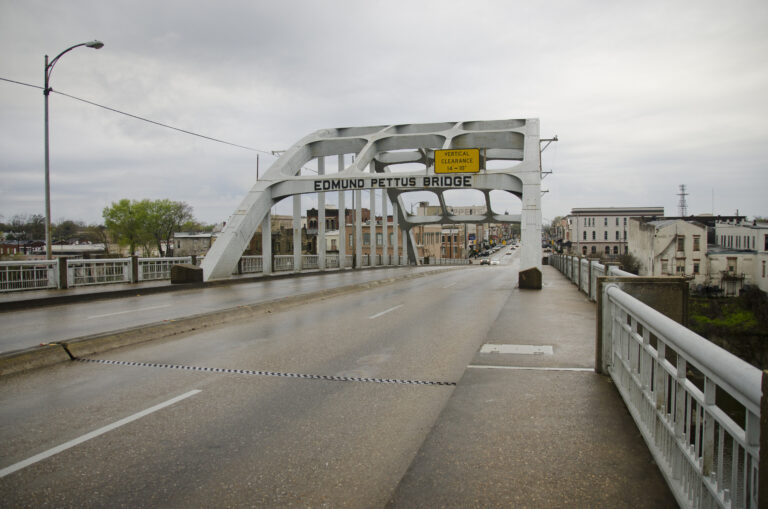
Today, your first stop is the Selma Interpretive Center. Located at the foot of the Edmund Pettus Bridge, it serves as a Welcome Center with an Interpretive Exhibit and bookstore.
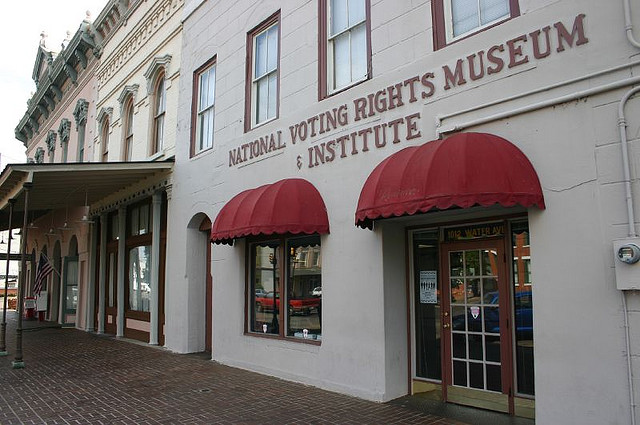
Then visit the National Voting Rights Museum and Institute whose mission is to collect, exhibit, interpret and document images and artifacts related to the history of Selma, the Voting Rights struggle, Voting Rights in America, and the Civil Rights Movement.
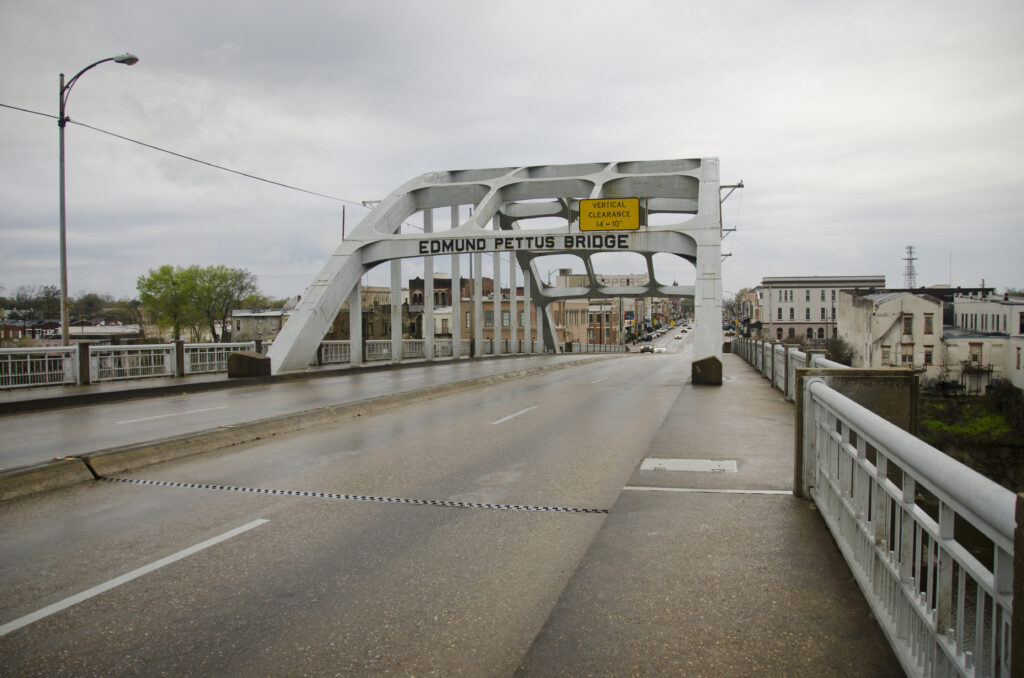
Next, meet a local guide who will lead you on a Footprints to Freedom tour to include the historic Brown Chapel A.M.E Church and a walk across the historic Edmund Pettus Bridge.
You will have time for a quick and easy 10-minute walk back & forth across the Bridge. It still is an active roadway bridge with cars yet has a safe pedestrian walkway on both sides of the lanes. This famous Civil Rights landmark represents a pivotal point in Voting Rights as law enforcement officers attacked marchers with tear gas and nightsticks on “Bloody Sunday,” Ma March 7, 1965.
Lunch will be included today while on tour.
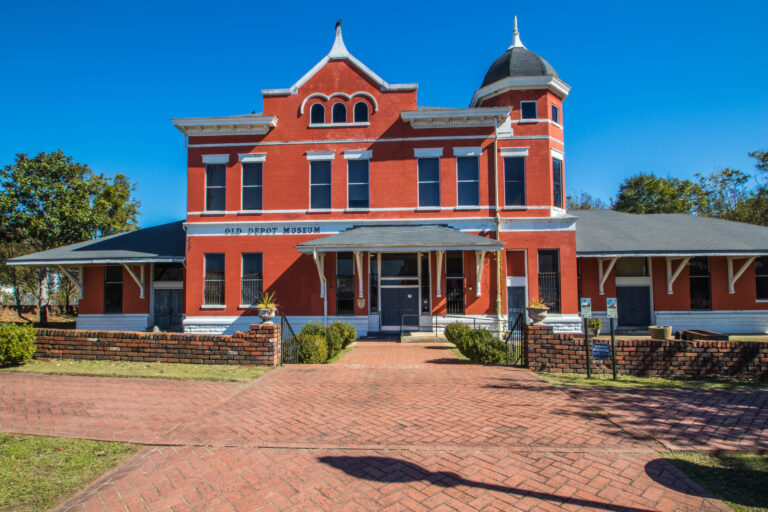
The Old Depot Museum tells the story of Selma, Alabama and this history is one inherently woven with African American history and culture. The Civil Rights room of the Old Depot Museum is the most trafficked space in the museum. Here, the events of Bloody Sunday, and several other transformative moments in the struggle for equal civil and voting rights, are placed into the local, historical context by answering the question of “Why Selma?”
It’s not open to the public but we will make a photo stop at the Brown Chapel AME Church. It played pivotal roles in the marches that helped lead to the passage of the 1965 Voting Rights Act and was the starting point for the Selma-to-Montgomery marches, Brown Chapel also hosted the Southern Christian Leadership Conference (SCLC) for the first three months of 1965.
Returning to the hotel tonight, your group will freshen up before we venture out for dinner at a local restaurant. (B,L,D)
Day 3 – Departure
Depart for home after breakfast. (B)